
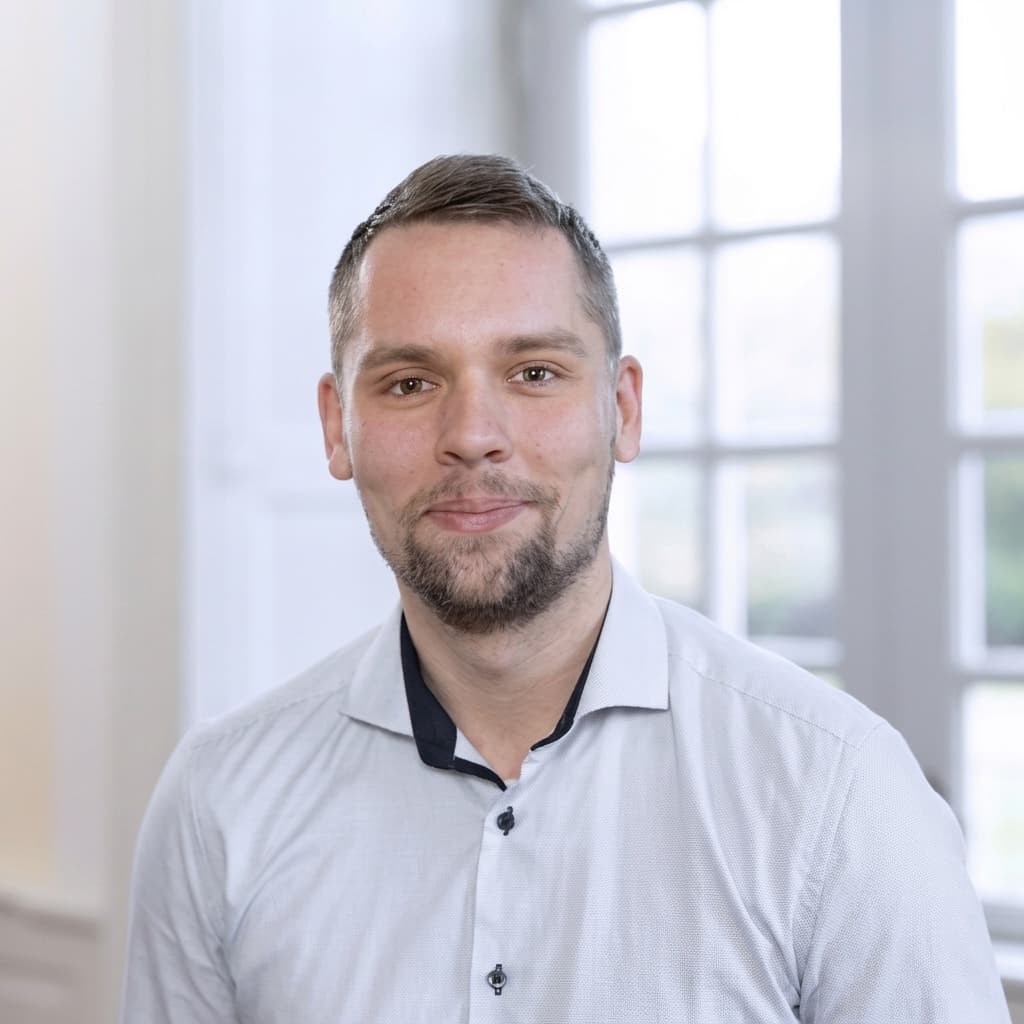
The starting point
Around 20 postdocs, most of them from the lab. Patient data that must never end up in someone else's model. An audience that understands a tool first and trusts it second, not the other way round. And explicitly no product course, but knowledge that carries over to any tool. In English. In one day.
That was the brief from Research Center Borstel, Leibniz Lung Center, for 8 October 2026. We drove up.
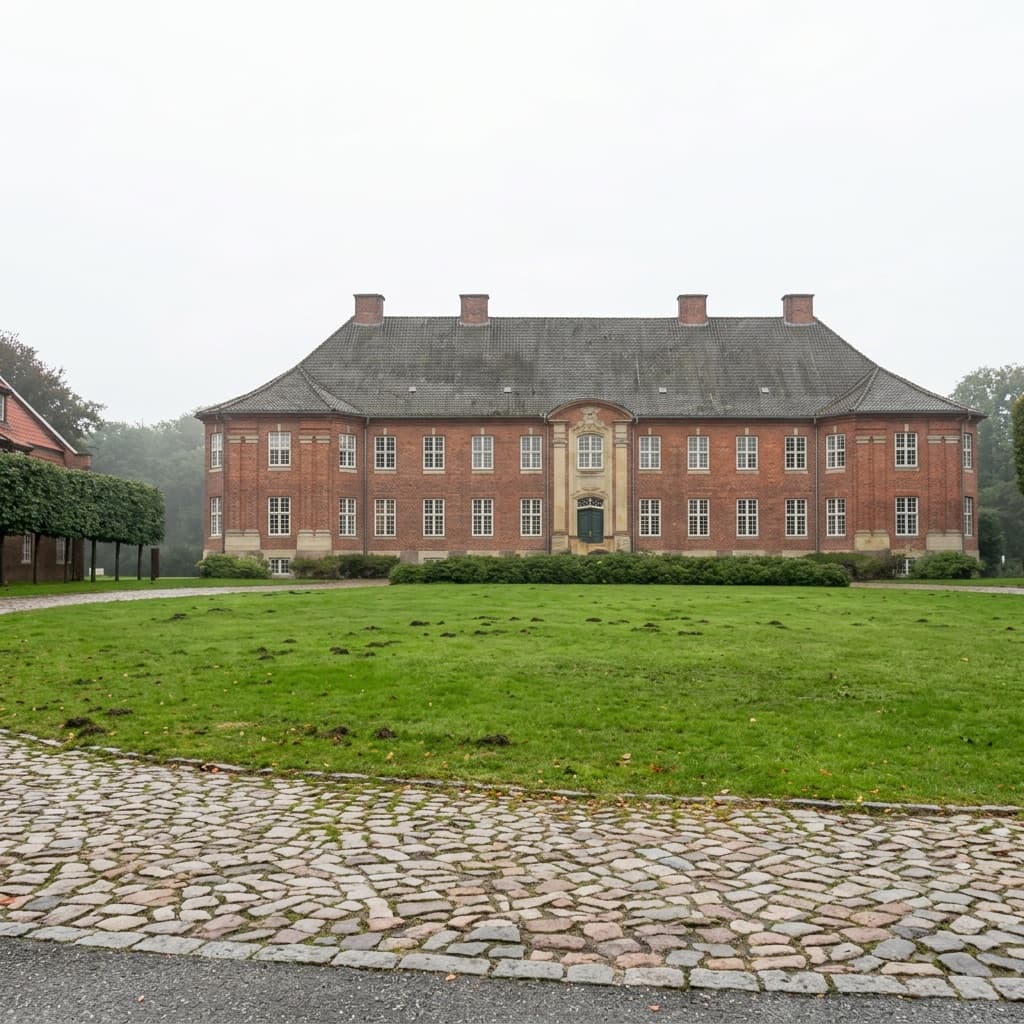
The day
The day started where trust starts: at the limits. If you learn what AI cannot do, you understand far better what it can. Prompting built on that, deepened in the Turing Challenge, Ziya's prompting game.
The afternoon was hands-on: a GDPR-compliant environment, tasks from everyday research, and the question everyone here cares about: what happens to my input before it reaches the model? All work used synthetic data. Real patient data never came into play. By the end, participants had built small tools of their own that they could keep using the next day.
Voices from the workshop
From the feedback questionnaire after the workshop.
“I learned practical ways to use AI tools and about their limitations, with the tips on applying them to my own work being most useful.”
Tim Hasenbein, Research Center Borstel “It was really interesting to find out the possibilities the AI will open in my work once the rules of use and data protection are clearly defined. Logical thinking and structure is the most important point.”
Patricia Sanchez Carballo, Research Center Borstel “I learned many new things about AI that I wasn't aware of... like not trusting numbers or calculations, and being aware that any text written in the chat box, even for editing, will be sent to a server before pressing Enter, etc. It was very practical and useful.”
Postdoc, Research Center Borstel